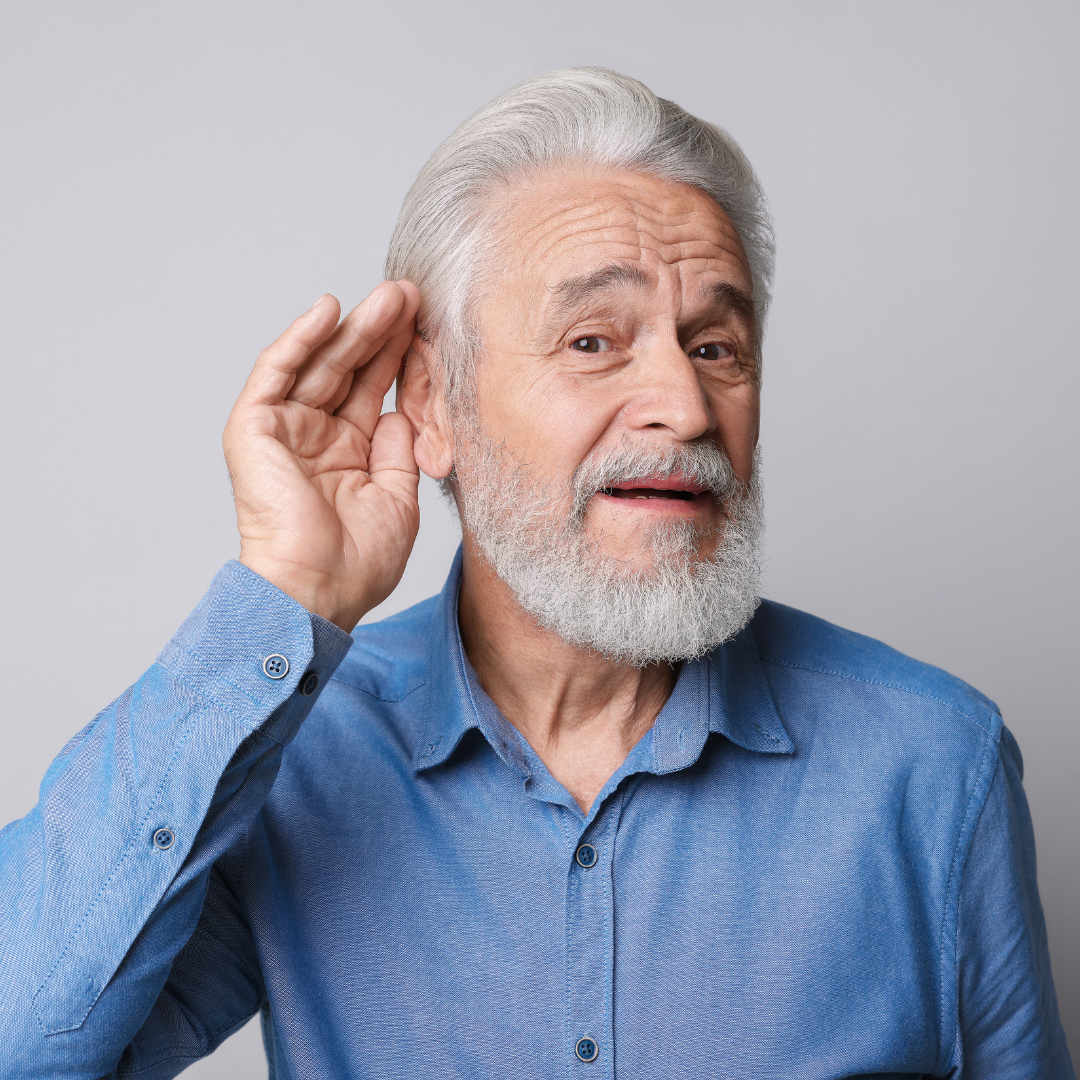
A rapid drop in hearing in one ear can cause immediate fear and leave patients confused regarding the appropriate next steps. Our clinical specialists offer urgent hearing evaluations and facilitate rapid medical care when sudden unilateral hearing loss arises. Any sudden hearing loss requires urgent clinical consultation with a hearing healthcare specialist to pursue immediate medical intervention or rehabilitation.
Is Sudden Loss of Hearing in One Ear An Emergency?
Yes, unequivocally. Sudden hearing loss in one ear should be treated as a medical emergency, particularly when it develops within hours or over a few days. Sudden sensorineural hearing loss, sometimes called sudden deafness, involves the inner ear or the nerve pathways that carry sound to the brain. The condition typically develops painlessly, leading many patients to confuse it with sinus congestion, fluid, or a plugged ear canal.
Possible signs include:
- A rapid decrease in volume or clarity on one side
- Struggling to hear or follow telephone speech on the compromised side
- A noticeable pop or sudden sensation of aural pressure just before hearing drops
- New ringing, buzzing, or roaring in the affected ear
- Onset of rotational vertigo, postural instability, or general disequilibrium
Do not adopt a wait-and-see strategy hoping the auditory deficit corrects itself. Seek same-day diagnostic guidance from our practice, an urgent care physician, or an otolaryngology specialist.
Why Sudden Sensorineural Hearing Loss Demands Fast Evaluation
Rapid diagnostic assessment matters tremendously because medical management of sudden sensorineural hearing loss is most effective during the initial window. We will first need to determine whether the change is conductive, meaning sound is blocked by earwax, fluid, or another outer- or middle-ear problem, or sensorineural, meaning the inner ear or auditory nerve is affected. Both conditions produce overlapping sensations of aural fullness and hearing loss, but their clinical interventions are entirely divergent.
Performing physical otoscopy alongside a diagnostic hearing test confirms the exact classification, frequency configuration, and decibel severity of the hearing loss.
Seek emergency care immediately if sudden hearing loss occurs with:
- Unilateral facial paralysis, localized weakness, or facial numbness
- Neurological speech deficits, sudden disorientation, or an excruciating new headache
- Double vision, fainting, or difficulty walking
- Acute angina (chest pain) or any secondary indicators of systemic vascular crisis
These severe symptoms may reflect critical neurological compromise or vascular pathology and must never be managed through a standard appointment.
Clinical Causes and Mechanisms Behind Sudden Hearing Loss
For the vast majority of patients with sudden sensorineural hearing loss, the exact etiology remains idiopathic. In cases where an etiology is successfully uncovered, it frequently involves localized inflammation, physical trauma, microvascular compromise, autoimmune pathology, or auditory nerve disorders.
Potential medical causes encompass:
- Viral or bacterial infections
- Severe head trauma or direct exposure to an explosive acoustic blast
- Underlying autoimmune conditions attacking cochlear tissue
- Ingestion of ototoxic pharmaceuticals known to compromise inner ear structures
- Localized microvascular occlusions or compromised blood circulation
- Structural inner ear diseases, notably symptomatic Ménière’s disease
- Neurological conditions such as multiple sclerosis
- A benign neoplasm such as an acoustic neuroma along the hearing and balance nerve
Since patient symptoms alone cannot isolate the precise pathophysiological cause, immediate physical exam and audiologic testing are essential.
Treating Sudden Sensorineural Hearing Loss: Corticosteroids and Advanced Care
Systemic or topical corticosteroids represent the standard clinical intervention for idiopathic sudden sensorineural hearing loss. The treatment can be administered systemically via oral tablets or delivered locally through the tympanic membrane to reach inner ear structures directly. Treatment decisions are formulated in collaboration with our team, carefully weighing post-onset timing, loss severity, medical contraindications, current medications, and pharmacological risks.
Corticosteroids are generally deployed within the initial two-week therapeutic window, and beginning as early as safely permitted is essential. Providers may advise intratympanic steroid injections as an aggressive salvage therapy if oral treatment produces incomplete hearing restoration. In specific clinical presentations, the otolaryngologist may recommend combining hyperbaric oxygen therapy alongside standard steroid regimens.
Will Sudden Hearing Loss in One Ear Resolve Without Medical Treatment?
A sudden sensorineural hearing loss may occasionally resolve on its own without pharmacological treatment. Literature indicates that approximately 50 percent of patients recover some or all hearing spontaneously, frequently within the first one to two weeks. Nevertheless, clinicians have no definitive diagnostic method to predict at onset who will recover, what degree of hearing will return, or whether gains will prove permanent.
The possibility that hearing might return spontaneously is never an acceptable reason to delay emergency treatment. Initiating treatment several weeks following symptom onset drastically reduces the probability of reversing permanent damage, effectively shutting a vital clinical window. Final patient outcomes vary widely, spanning full recovery, partial gains, or minimal improvement.
What If Hearing Loss in One Ear Doesn’t Respond to Treatment?
Should hearing recovery remain incomplete, ongoing care is dictated by remaining hearing capacity, speech understanding scores, and definitive exclusion of secondary causes. Our clinicians frequently recommend diagnostic MRI imaging or specialized auditory brainstem response testing to evaluate the hearing nerve and surrounding anatomy.
Extended rehabilitative solutions may incorporate:
- Fitting a traditional hearing aid whenever the affected ear possesses aidable hearing capacity
- Implementing a CROS system that wirelessly beams sound from the unaidable ear to the better ear
- An osseointegrated bone-conduction hearing system or bone-anchored hearing device for qualifying candidates
- Cochlear implantation for medically and audiologically eligible candidates presenting with single-sided deafness (SSD)
- Tailored assistive listening systems to improve communication across work, academic, or social settings
Audiologic rehabilitation can also address listening fatigue, sound localization, and communication difficulties. Selecting the optimal management path relies upon comprehensive audiometric outcomes, vocational needs, medical profile, and personal priorities.
Arrange an Emergency Hearing Evaluation
If you have experienced an acute auditory shift today or in recent days, pursue urgent same-day medical evaluation instead of waiting for routine appointments. Our clinic will perform comprehensive diagnostic hearing testing, compare thresholds between ears, document onset chronology, and coordinate urgent care with an ENT physician.
Connect with our clinical office right away to arrange an urgent hearing assessment.