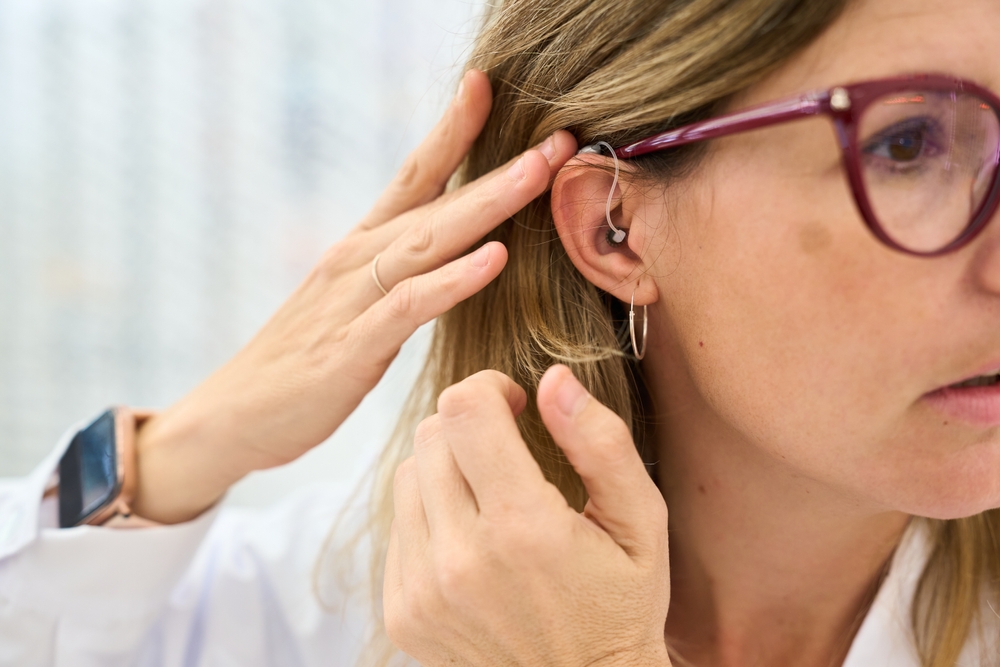
A primary reason individuals put off addressing auditory deficits is the assumption that assistive devices will be unsightly or awkward to wear. For years, hearing aids were large, noticeable, and often negatively associated with getting old. Regrettably, some people even experienced social alienation because acquaintances falsely assumed that wearing a visible aid signaled a complete inability to comprehend spoken dialogue.
For many people, this image has stuck, making them hesitant to take the next step. The liberating truth is that twenty-first-century auditory tech offers a level of cosmetic elegance and physical comfort that surprises most patients. Advances in design and technology have made them smaller, more comfortable, and far more discreet.
If cosmetic anxiety has caused you to delay treating your hearing loss, it is highly recommended that you evaluate the sophisticated options now available.
Dispelling the Myth: Modern Devices Have Transcended Older Styles
If you close your eyes and picture a hearing aid, you might imagine something large, hooked over the ear, and visible from across the room. If that is the visual you hold, you are fundamentally remembering outdated medical equipment from decades past.
Since then, the entire category has evolved. Advances in miniaturization, design, and digital technology have completely reshaped what hearing aids look like today. Today’s instruments are profoundly smaller, remarkably streamlined, and strategically engineered to blend flawlessly into your natural anatomy or vanish altogether.
A substantial percentage of contemporary options reside deep within the auditory canal, ensuring absolute invisibility during routine face-to-face interactions. Alternatively, post-auricular models are constructed with such streamlined dimensions that they disappear against the scalp, customizable to complement individual skin and hair coloration.
Navigating Modern Hearing Technology: The Three Core Styles Evaluated
If you’re wondering what your main options in hearing aids actually look like, here’s a simple breakdown:
Deep Canal Solutions: Invisible-in-Canal (IIC)
This tier represents the absolute pinnacle of cosmetic concealment. The IIC style fits exclusively within the deep internal canal and is built using a custom impression of the patient’s ear passagographic anatomy. During typical face-to-face communication, these custom models remain completely obscured from view. This configuration is highly favored by individuals managing mild-to-moderate auditory drops who demand total aesthetic secrecy.
Modern Standards: Receiver-in-Canal (RIC) / Receiver-in-the-Ear (RITE)
This particular layout has become the benchmark standard for contemporary hearing health restoration. The system utilizes an incredibly small housing resting behind the ear, linked by a hair-thin translucent cable to a miniature speaker within the ear pathway. To onlookers, this streamlined design closely mirrors fashionable consumer electronics or sports earbuds. Most people won’t notice them unless they’re looking.
Traditional Behind-the-Ear (BTE) Reimagined
These sit fully behind the ear and are slightly larger, but they’re still far more streamlined than older versions. They are typically prescribed to resolve advanced levels of hearing impairment, generating exceptional sound amplification without the cumbersome weight users traditionally dread.
The fundamental lesson is clear: current acoustic technology is engineered to integrate seamlessly into your personal lifestyle, never to advertise an impairment.
How Current Hearing Technology Outperforms Traditional Amplifiers
The evolution of these medical devices encompasses much more than a superficial face-lift. Contemporary devices are essentially miniature smart hubs rather than historical medical hardware. Most current systems boast universal wireless syncing, channeling smartphone calls, high-definition music, and television broadcasts directly to your internal receivers.
Most come with smartphone apps, so you can adjust volume or switch settings without ever touching the device. For instance, when entering a highly reverberant dining space, you can suppress ambient acoustic noise and sharpen speech clarity in mere moments. Convenient overnight charging systems have permanently replaced the tiny disposable batteries that patients traditionally struggled to replace. You merely dock the devices on a nightstand inductive charger, exactly like replenishing your mobile phone.
Dismantling the Emotional Stigma of Auditory Assistance
Despite understanding these technological quantum leaps, psychological resistance remains highly common. Scheduling an appointment can feel like a profound internal challenge because it represents an open admission of sensory alteration. This mental hurdle can make an individual feel exposed, creating a false impression of losing authority over personal wellness.
Let’s reframe this narrative completely: acquiring a modern acoustic instrument is not an admission of weakness. They are simply tools for managing standard lifecycle changes, which are a normal part of the human experience. Choosing to hear better is absolute evidence that you are choosing to optimize your body and enhance your overall quality of life.
Imagine wearing a discreet, barely (if at all) visible device and finally being able to follow along in conversation, hear better in crowds, and focus on the things that really interest you. That level of sensory restoration is incredibly liberating!
Discover the Reality of Modern Otolaryngological Solutions
The most effective method to permanently banish an obsolete stereotype is to personally examine current clinical options. Our clinical team cordially invites you to visit our facility, interview our staff, and evaluate different form factors in a stress-free, zero-obligation environment. Think of your visit as an educational open-house to experience the lightweight engineering of modern hearing instruments firsthand.
Almost every visitor walks out completely shocked by how weightless, ergonomic, and cosmetically invisible these tools are in practice! Reach out to our administrative team or visit our website right now to book your personal demonstration.