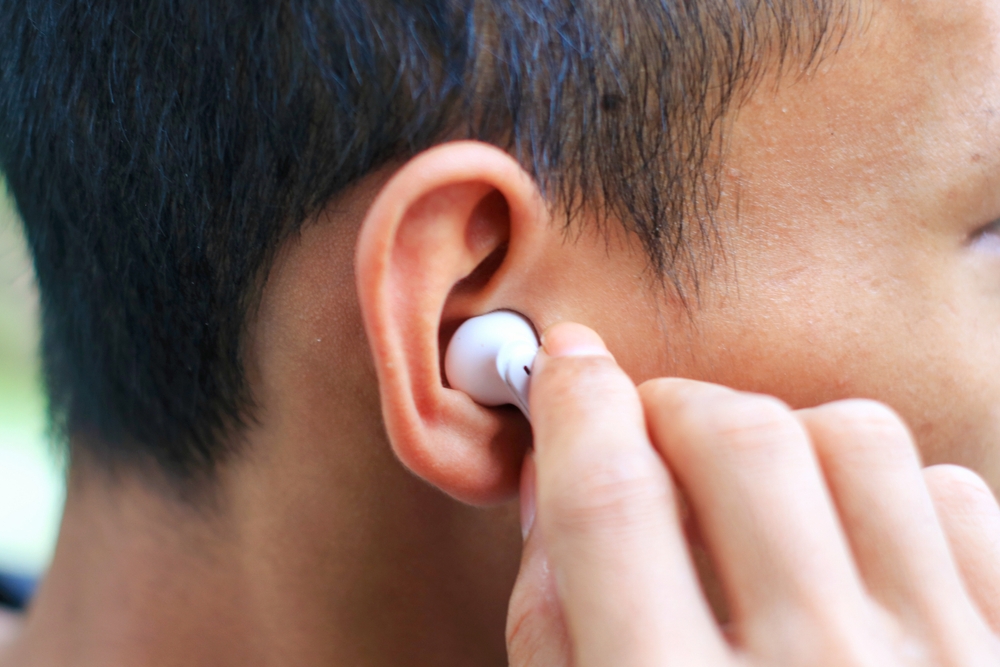
We seldom encounter a teenager or young adult who isn’t currently using a personal audio device. Headphones are a bit more cumbersome, but teens still find them a way to escape from their surroundings. While acoustic enjoyment is universal across all ages, the youth population often utilizes music as a primary tool for time management. Given their intimate position near the eardrum, are these devices a legitimate threat to our hearing? Clinically speaking, the hardware is not the culprit; rather, the risk lies in human behavior and exposure levels.
When Healthy Listening Becomes Hazardous
The right music can induce a state of relaxation, provide spiritual comfort, or drastically boost energy levels. Much depends on the rhythm and volume of the content being consumed. Employing in-ear monitors is an effective method for maintaining acoustic privacy in public environments. This behavior is socially beneficial, and commuters often report a preference for this shared auditory boundaries on public transit.
The essential inquiry remains: at what decibel level and timeframe does listening become dangerous? In reality, excessive sound pressure is universally hazardous to the delicate structures of the cochlea. When you listen for too long a time and at a very loud volume, you can irreparably damage your hearing. Hearing loss occurs gradually, so by the time you realize what’s happening, it may be too late.
The Biological Impact of High-Intensity In-Ear Audio
High volume stands as the most significant threat to the preservation of hearing sensitivity. Yet, we must remember that the length of time spent listening is equally important as the decibel level.
- According to the NIH, maintaining a threshold below 70 dB ensures safety, even during extended listening periods.
- High-intensity sound waves cause cellular damage in a fraction of the time required by moderate sounds.
- Audiologists recommend the 60/60 rule: stay below 60% of max volume and limit sessions to one hour.
- Taking control of your volume slider and managing your time is the best defense against hearing loss.
Red Flags: When to Suspect Hearing Impairment
If you commonly hear muffled sounds, find it difficult to understand conversations in noisy places, have ringing in your ears (tinnitus), and frequently ask people to repeat what they said or to speak louder, it’s time to have a hearing exam with a professional.
If you suspect a decline in your hearing, contact our office to begin a professional diagnostic process.