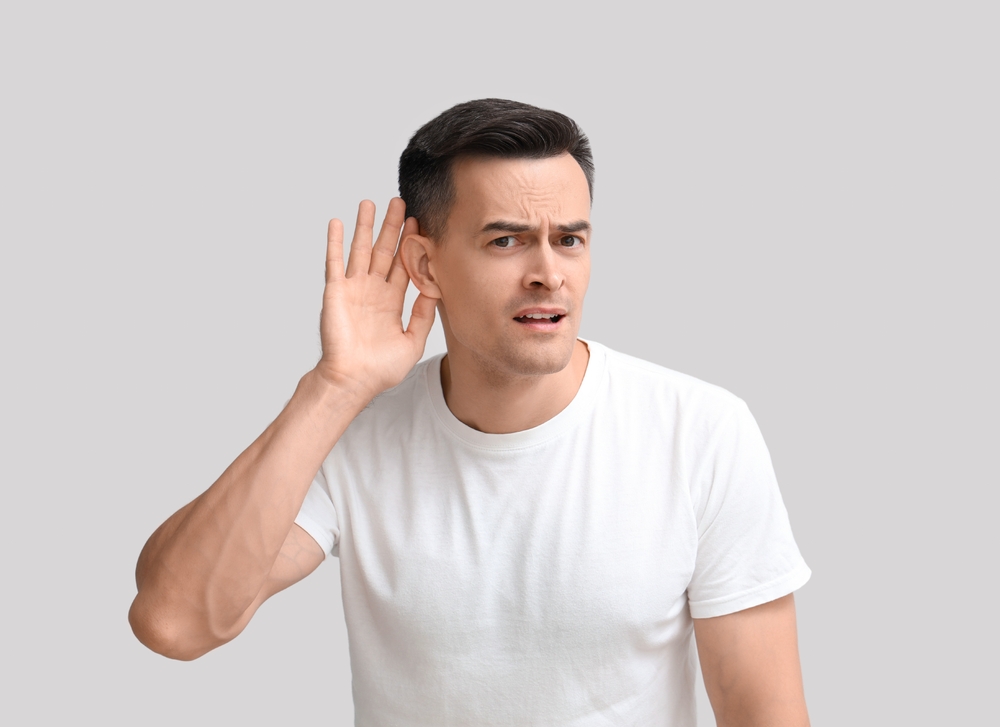
Do you often experience profound mental depletion following extended dialogue or crowded social events?
You might initially blame your exhaustion on general tiredness or a busy lifestyle. It is well-documented that social interaction requires significant energy for introverts and those with sensory integration challenges. Frequently, this specific type of burnout is actually triggered by chronic auditory fatigue.
Auditory fatigue happens when your brain has to work harder to process sound. If auditory input is degraded, the brain must engage in constant phonemic restoration to bridge the gaps in speech. This persistent neurological demand inevitably results in deep mental and emotional burnout.
Most individuals fail to distinguish between localized auditory fatigue and general fatigue. Critically, this exhaustion is often a primary indicator of underlying auditory pathologies. A comprehensive assessment can help determine whether hearing loss is contributing to your symptoms. If this cycle of exhaustion is recurring, consult an audiologist to investigate the influence of hearing loss.
Why Your Brain Suffers from Auditory Fatigue
Various stressors can overtax the auditory cortex, leading directly to the onset of auditory fatigue.
The Impact of Unmanaged Hearing Loss
Unmanaged hearing loss stands as a primary catalyst for chronic listening exhaustion.
The inability to capture high-frequency sounds forces the brain to work double-time to interpret the message. The mental labor required for constant speech reconstruction causes energy levels to plummet during social interaction.
The Challenge of Complex Soundscapes
High-noise environments significantly exacerbate the symptoms of auditory fatigue. Settings like busy cafes or group discussions often present a low signal-to-noise ratio that obscures speech.
Processing concurrent audio streams requires the brain to perform intense “auditory scene analysis” to find the primary speaker. This process can create cognitive overload, especially for people with hearing loss (even mild cases).
How Internal Noise Increases Listening Effort
Tinnitus, often described as ringing or buzzing in the ears, can also contribute to listening fatigue because the brain must process external sounds and internal noise signals simultaneously.
Sound distortion caused by hearing loss can further increase strain, forcing the brain to work even harder to understand speech.
Clinical Red Flags for Auditory Fatigue
Auditory fatigue can affect both mental focus and overall energy levels. Frequently observed symptoms include:
- Experience of deep cognitive depletion following verbal interaction
- Reduced focus during professional or social group settings
- Development of “listening headaches” after long social events
- Feeling “on edge” or frustrated when trying to follow a conversation
- Social retreat to avoid the stress of auditory processing
- The need for a “quiet recovery period” following social exposure
Should these signs become habitual, they serve as evidence of excessive cognitive load.
Why Hearing Loss Makes Your Brain Work Harder
Clear auditory input allows the brain to interpret sound with virtually no conscious effort. When input is weak, the brain must “steal” processing power from other areas to manage auditory interpretation.
Researchers describe this as increased cognitive load. It involves the brain siphoning energy from memory retrieval and focus to prioritize basic speech understanding. The long-term effect of this cognitive shift is the profound “emptiness” felt after socializing. Standard dialogue, which should be easy, becomes a high-intensity cognitive task.
Why a Hearing Test is the First Step to Recovery
A formal auditory screening is the most effective way to determine why you feel so drained. The evaluation process includes mapping your hearing range and measuring your speech discrimination accuracy. They may also evaluate how well you understand speech in background noise, which can reveal challenges that may not appear in quiet settings.
A comprehensive hearing test can determine whether hearing loss is contributing to your fatigue and help guide the next steps for treatment. Identifying hearing changes early allows treatment to begin sooner, helping reduce listening strain before it begins affecting daily activities and social interactions.
How Hearing Treatment Reduces Listening Effort
Clinical intervention is proven to drastically reduce the mental burden of communication.
Modern hearing aids improve sound clarity by amplifying important speech frequencies and reducing background noise. The brain can finally rest, receiving data that is easy to interpret and understand.
With restored hearing clarity, you will likely see a boost in:
- General energy levels from morning to evening
- Sharper concentration when speaking with others
- Feeling relaxed and confident in noisy environments
As the brain stops struggling to hear, the world of sound becomes a source of joy rather than a source of stress.
When Should You Schedule a Hearing Test?
A professional screening is recommended if you identify with these patterns:
- Dialogue leaves you feeling cognitively spent
- Others comment on your need for frequent repetition during social calls
- Background noise makes speech recognition a major challenge
- You avoid social situations because listening feels difficult
Addressing hearing concerns early can help reduce listening strain and improve overall quality of life.
What You Need to Know About Auditory Fatigue
Auditory Fatigue vs. Hearing Loss: What’s the Difference?
No—fatigue is the “symptom” (burnout), whereas loss is often the “cause” (the impairment). That said, hearing loss remains the primary catalyst for chronic listening burnout.
Do Hearing Aids Help with Exhaustion?
Yes—current technology is specifically designed to minimize the cognitive cost of communication.
Is This Exhaustion a Permanent Condition?
With the right treatment, the exhaustion associated with auditory fatigue is often completely reversible.
End Your Struggle with Auditory Fatigue Today
You shouldn’t feel exhausted after everyday conversations. If you are suffering from chronic post-social burnout, your auditory system is likely over-exerting itself.
Schedule your hearing test today by contacting us today. Reclaim your social life and your energy by getting the truth about your auditory health today.