Muffled hearing can impact every aspect of your life, leaving you feeling confused and isolated from the world around you. Many people instinctively worry they’re experiencing permanent hearing loss when, in reality, the cause may be something much simpler: cerumen accumulation.
Differentiating between a wax impaction and true hearing impairment is crucial for determining if you need a simple cleaning or a formal audiological exam. Try not to worry if your hearing feels abruptly diminished. While only an audiologist can confirm the cause, reviewing these essential indicators of earwax vs. hearing loss can provide immediate clarity.
How to Identify a Cerumen Impaction
Cerumen (cerumen) is a natural, defensive substance that helps trap dirt and debris and keeps the ear canal functional. The trouble begins when this substance accumulates to the point of a tangible blockage.
Typical markers of an obstruction include:
- Progressive or abrupt dampened hearing
- A sensation of fullness or clogging in the ear
- Localized tenderness or focused pain in the ear
- Localized tinnitus within the affected ear
- Sound clarity that shifts or improves briefly with jaw movement
A signature of wax-induced sound fluctuations is imbalance, typically impacting one side more than the other. Fortunately, once excess wax is safely removed, hearing often reverts to normal instantly.
What Hearing Loss Feels Like
Unlike a brief obstruction, sensorineural hearing deficit typically progresses slowly over years and is not resolved by clearing the ear.
Common symptoms of clinical hearing impairment include:
- Issues with word clarity in busy or noisy settings
- Regularly needing clarification during everyday dialogue
- Turning up the TV or smartphone volume higher than people desire
- Difficulty hearing high-pitched sounds
- Two-sided hearing shifts that affect both ear canals simultaneously
Unlike cerumen impaction, auditory impairment doesn’t usually cause a feeling of blockage or pressure.
Contrasting Wax Buildup and Auditory Loss
Several fundamental signs can help you ascertain whether you are dealing with a treatable blockage or a more lasting change:
- Progression: Blockages can feel sudden, while hearing loss is virtually always gradual
- Resolution: Cerumen hearing changes are usually temporary; hearing loss is frequently irreversible
- Clues: Fullness suggests a clog; struggling with speech clarity suggests impairment
- Symmetry: Blockages are often asymmetrical, but permanent loss is frequently two-sided
The Risks of At-Home Cerumen Removal
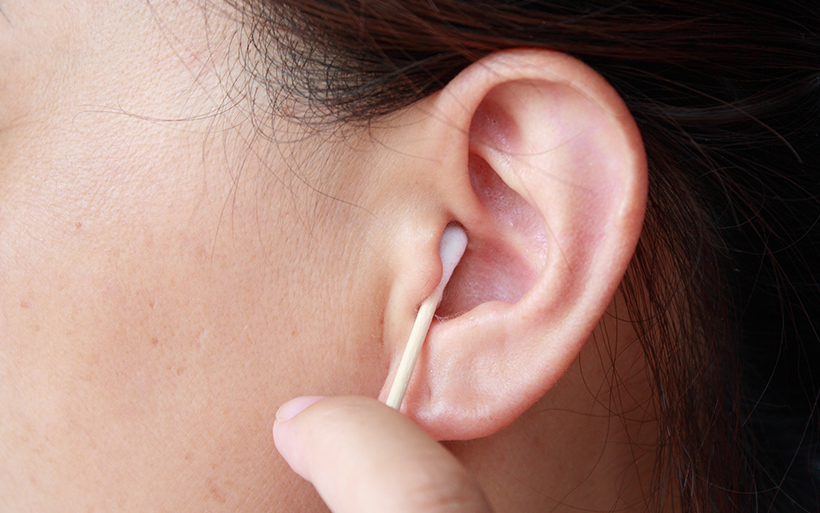
Many people make the error of attempting to extract a perceived blockage manually using swabs or household items. Using external items typically shoves the plug deeper into the canal, increasing the risk of trauma.
Clinical research indicates that DIY removal often leads to unintended damage or increasingly complex impactions.
On the flip side, presuming a problem is just wax when it is actually hearing loss can hinder you from getting the assistance you need to remain engaged.
How a Clinical Evaluation Helps
A simple ear exam can quickly verify if cerumen is obstructing the canal.
If wax is found, clinical removal often resolves signs on the spot.
When the ear is clear but sound is still muffled, a diagnostic assessment is necessary to audit your hearing integrity.
Clinicians urge an instant auditory screening if you find yourself failing to interact or navigate your surroundings.
Finding the Correct Solution for Improved Sound Quality
Dampened hearing doesn’t always indicate permanent trauma.
Frequently, the problem is simply an accumulation of wax that can be quickly resolved.
Your hearing care specialists can assist you to find the source of dull hearing so you can move forward with confidence and tranquility.
In the end, an expert consultation is the only reliable way to differentiate between a fleeting blockage and a lasting shift.
Finding the answer soon safeguards your health and gives you the comfort you deserve.
Instead of guessing what is wrong, book a rapid check-up with our audiologists to get the truth.