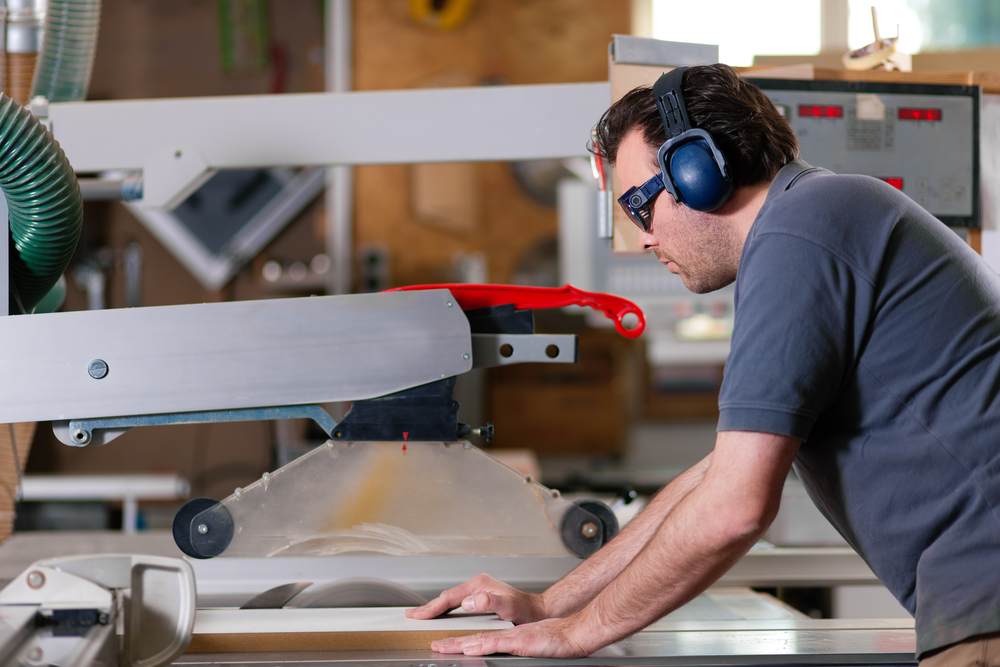
Your hearing health can be significantly affected by extended noise exposure, especially in settings where noise intensity goes beyond safe limits. You must protect your ears; this is important for not just preventing hearing loss—it also helps you keep focus in noisy conditions. Therefore, what steps should you implement to find the ideal hearing protection level suited to your needs?
How noise levels affect your hearing
The damage caused by noise exposure is a combination of both its volume and the time spent in that environment. The main measurement for assessing noise levels is dB, a unit used to express sound intensity. Hearing damage can initiate when sound volume reaches 85 dB or more, especially after long-term exposure.
Consider that 85 dB equals the volume of city traffic noise heard while sitting in a car. An eight-hour period of non-stop exposure can begin to damage your hearing, even if the sound level doesn’t seem overly loud. The safe duration for exposure shrinks proportionally as the noise level increases:
- 90 dB (Lawnmower): Up to 4 hours of exposure can be harmful.
- 100 dB (Power tools): Limit exposure to 1 hour or less.
- Damage is possible after only 15 minutes at the 110 dB level (Leaf blower).
- Exposure to 120 dB (a Rock concert) will damage your hearing instantly.
- Exposure to 140 dB (Jet engine) results in immediate damage and intense pain.
How to detect risky noise environments
When you are routinely around noise at 85 dB or higher, hearing protection becomes a necessary requirement. Such protection is most important in industrial settings, including factories and building areas, or any places where excessive noise is produced by tools, gear, or engines.
Even outside of the workplace, there are situations where hearing protection can be helpful—attending concerts, using leaf blowers, or engaging in recreational shooting sports are all pastimes that can expose you to dangerous noise levels.
Using the NRR to choose the ideal hearing protection
The effectiveness of hearing protection is measured by its Noise Reduction Rating (the NRR). Expressed in dB, this figure indicates the degree of sound blockage the protective unit is able to block. A more substantial reduction in sound is provided by increased NRR ratings. An example is a pair of earplugs with a 30 dB NRR, which could lower an 85 dB sound to 55 dB, thereby maintaining you securely within the parameters of safe exposure.
When making your decision, consider the particular noise volume you are facing and verify that the protection reduces the sound below the 85 dB threshold.
Consistency relies on comfort: why it’s so important
The NRR is undoubtedly important, but comfort is a similarly significant component in achieving steady, long-term use. When the hearing protection is bulky or uncomfortable, you are inclined to remove it, which leaves your hearing vulnerable against dangerous noise.
Comfortable hearing protection promotes continuous use, reducing the danger of occasional exposure. If, for example, earmuffs feel ill-fitting or are too heavy, you are likely to take them off intermittently, resulting in harmful noise exposure.
A look at the different forms of hearing protection
A range of hearing protection devices are on offer, all with their own set of advantages and drawbacks:
- Foam Earplugs: These sit inside the ear canal and offer excellent noise reduction. They’re lightweight and disposable but may feel uncomfortable for some users.
- Pre-Molded Earplugs are positioned slightly outside the ear canal; they are reusable—a more sustainable choice—and are also easier to handle than foam earplugs.
- Earmuffs enclose the ear completely; they are best for varying noise environments because of their ease of removal and donning. A common disadvantage is that they can feel warm or heavy with continuous wear.
Choosing the best type depends on your preferences and the demands of your environment. Construction workers, for example, might prefer the convenience provided by earmuffs, whereas factory employees may choose earplugs for all-day wear.
Committing to unwavering hearing protection wear
The superior hearing protection is always the unit that you continuously wear. Any lapse in use, even for a short period of minutes, can have lasting effects for your hearing health. Consequently, it is vital to find a product that provides the right balance of protection, comfort, and convenience.
Ensure your long-term hearing health
Noise is an ever-present factor in our lives, but with the correct hearing protection, you can safeguard your ears while still managing to appreciate the sounds surrounding you.
To review the best methods for safeguarding your hearing health and evaluating your potential for noise-related hearing damage, please contact us today.